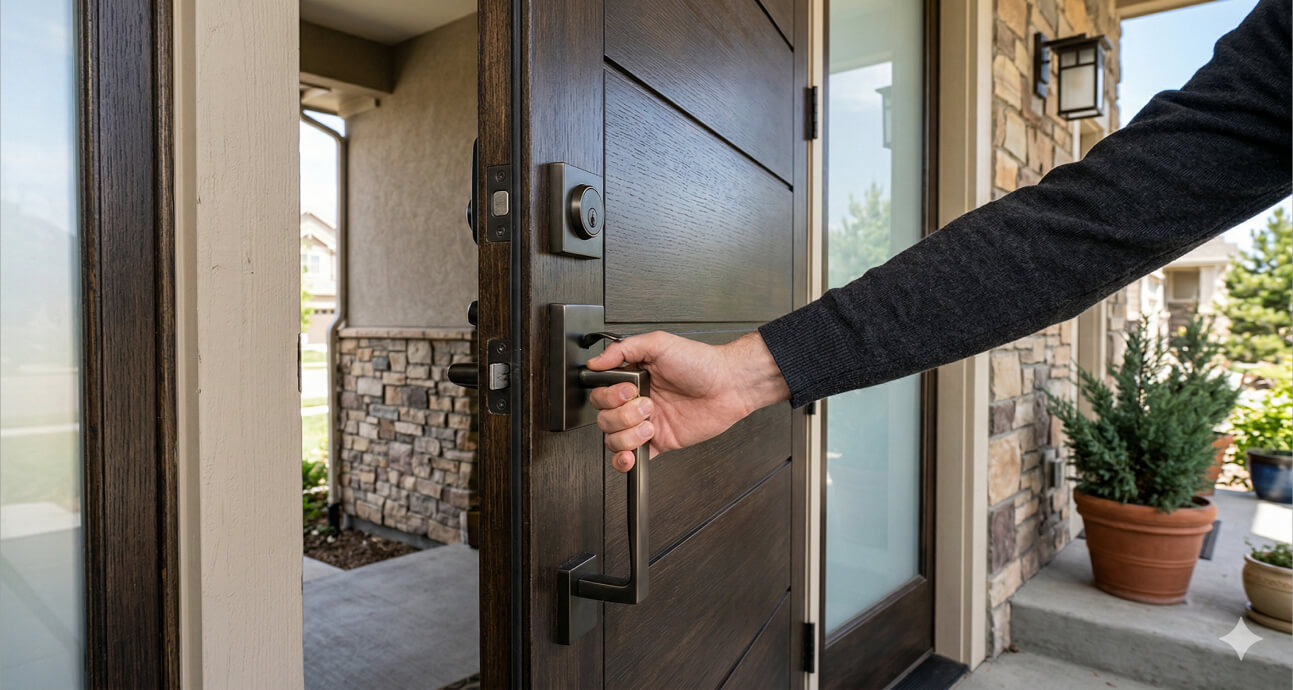
Most window and door projects start with something small. A room feels colder than it should, the glass keeps fogging, or the front door starts sticking for no clear reason. In Denver homes, those signs can point to bigger issues with insulation, airflow, noise, security, and how the house handles sun, snow, and sharp temperature swings.
This guide walks you through what to look for before a project begins. Before you contact a professional for window or door installation in Denver, we'll go over what to look out for, how to determine what has to be fixed first, and what questions to ask.
Key Summary:
If your windows or doors are drafty, fogging up, sticking, or showing signs of moisture, it may be time to look closer. In Denver, strong sun, temperature swings, and weather exposure can wear down windows and doors faster than many homeowners expect. That is why it helps to check the surrounding area, figure out which openings need attention first, and compare multiple quotes from screened contractors before work begins.

Signs It May Be Time to Replace Your Windows or Doors
Most homeowners do not notice everything at once. It usually starts with one annoying little thing, then another.
Drafts, air leaks, and hot or cold spots.
If one room always feels colder in winter or hotter in late afternoon, the seal may be failing. In Denver, west facing rooms and older front windows tend to show this first.
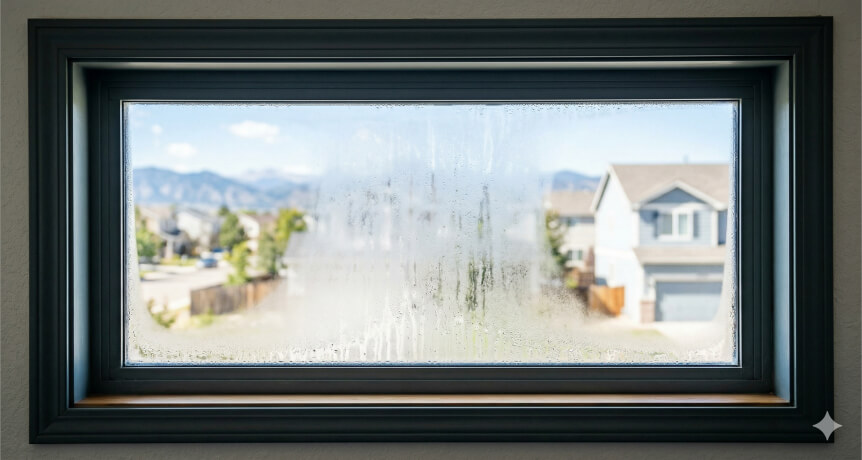
Condensation between panes or moisture problems.
Fog inside the glass often points to a failed seal. If moisture is also showing up around the frame, there may be a larger issue around the opening.
Windows or doors that stick, jam, or do not close properly.
A sticking window or misaligned door can point to more than worn hardware. Sometimes the frame has shifted, or moisture has started affecting the opening.
Visible frame damage, worn seals, or water intrusion.
Soft wood, cracked caulk, peeling trim, or staining around the frame are all worth noticing. Once water gets in, the problem can spread beyond the window or door itself.
When Repair May Still Make Sense
Sometimes a repair is enough, especially if the issue is limited. We see this a lot when the main unit is still in decent shape and the problem comes down to one worn part or a small area that needs attention.
A repair may still make sense when:
- One piece of hardware is failing
- Weatherstripping is worn
- Caulking or trim needs minor work
- One glass unit is fogged, however; the rest looks solid
- A door needs hinge or latch adjustment
When Replacement May Be the Better Option
There comes a point where repeated fixes start feeling like a temporary patch, not a real solution. That is usually when replacement becomes the more practical move.
Replacement may be the better option when:
- Several windows have the same problem
- Frames, doors, or windows show rot, warping, or corrosion
- Water is reaching drywall, trim, or flooring
- The unit no longer seals or performs well
- Exterior work is already planned, so it makes sense to address the opening too

What Denver Weather Can Mean for Window and Door Choices
Denver weather can be rough on windows and doors in ways people do not always expect. It is not only the cold. It is the constant back and forth, bright sun during the day, then a sharp drop at night, plus dry air, snow, and wind. Over time, that can wear on seals, frames, and moving parts.
Orientation matters too. A west facing room may need different glass than a shaded side of the house. Older homes often struggle with air leakage around the frame, while newer homes sometimes show problems from the original install, especially around flashing and water control. That is why the “best” window or door really depends on the house, not only the product label.
How to Decide Which Windows or Doors Need Attention First
If you are not replacing everything at once, start with the openings causing the most trouble day to day.
- Start with rooms that feel drafty or uncomfortable. Bedrooms, living rooms, and offices are usually where problems first become obvious. If the temperature of a room never feels right, or you notice repeated drafts or uncomfortable temperature shifts, pay attention to that.
- Look for moisture, wear, and operational problems. Fogging, leaks, sticking, and trim damage should move a window or door up the list quickly.
- Prioritize safety and security concerns. A window that does not lock properly, or a front, side, or back door with frame movement, should not be pushed aside.
- Planning in phases if you are not replacing everything at once. A phased project can work well. Many homeowners start with the worst rooms first, then tackle the rest by exposure, age, or floor. It is also worth asking the contractor whether replacing more at once makes better sense, since doing the work together can have cost and efficiency benefits.
What to Check Around the Window or Door Before Installation
The opening often tells you more than the unit itself. A window or door can look like the problem; however, once you look around the frame, the bigger story usually starts to show.
Before installation, it helps to check for a few common signs:
- Look for stains, swelling, or soft spots on trim
- Check drywall for cracks or moisture marks
- Inspect siding, stucco, or brick near the opening
- Notice split or dried out caulk
- Look closely at sills and lower corners
- Watch for uneven gaps or alignment issues
- Ask whether the contractor sees rot, flashing trouble, or frame concerns
How to Choose the Right Windows and Doors for Your Home
How the room functions, how the house faces the sun, and how much maintenance you want in the future will all determine the appropriate fit.
Ventilation, Natural Light, and Privacy
Think about how each room works in real life. Do you want more airflow in a kitchen or bathroom? Do you want bigger glass for daylight, or would that create privacy issues facing a neighbor or street? A window that looks great on paper may feel wrong fast if it ignores how the room is used.
Daily Use, Ease of Opening, and Maintenance Needs
Some windows get opened every week. Others barely move all year. That matters. Casement, sliding, double hung, and picture windows all behave differently in daily use. The same goes for doors. A front entry door, patio slider, and hinged backyard door all bring different traffic patterns and wear.
Matching the Home’s Style and Layout
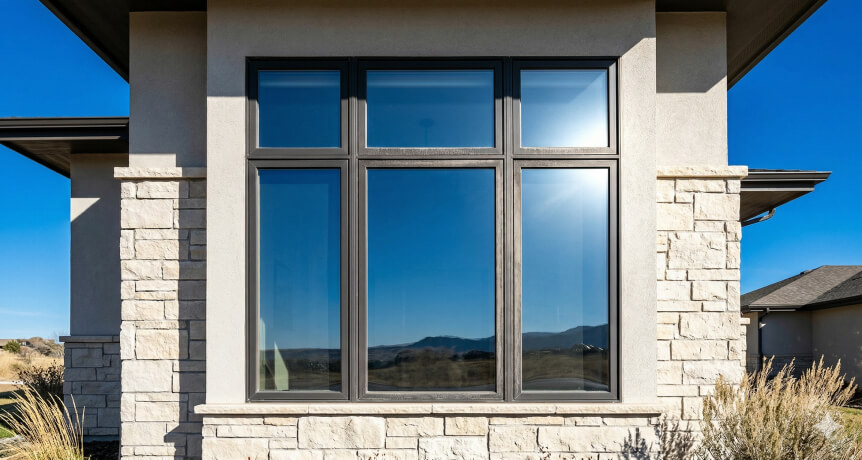
A modern black frame can look great on some homes; however, not every house wants that look. On a more traditional exterior, it can feel out of place fast. Small features like frame width, grille pattern, sightlines, and door style are more important than most people realize. The best window and door projects blend in seamlessly with the design of the house.

Questions to Ask a Window or Door Contractor Before You Hire Them
A strong bid should sound specific to your home, not copied and pasted.
- What products do you recommend for this home and why?
The answer should reflect your layout, sun exposure, frame condition, and how the rooms are used. - How will measurements and installation be handled?
Ask who takes final measurements and when. Small measuring mistakes can cause big headaches later. - What does the installation process usually look like?
The explanation should be clear and practical, removal, inspection, prep, install, sealing, trim, cleanup. - How are unexpected issues communicated?
Sometimes hidden damage shows up once the old unit is out. Ask how that gets documented and approved. - What should I know about warranties, cleanup, and follow up?
Find out what is covered, how cleanup is done, and what occurs if a change is later required.
Why It Helps to Compare Multiple Bids From Screened Contractors
One bid tells you a price. Multiple bids tell you how different contractors see the job. That matters, because one may catch moisture damage, another may suggest a different installation method, and another may include finish work the others leave out.
It also gives you a better way to compare the actual scope. Instead of guessing what sounds normal, you can line up three bids from screened contractors and see what is really included.
How to Prepare Your Home Before Installation Day
A little preparation goes a long way. It makes the day go more smoothly and provides the workers with space to work. Installation day can be made much less stressful by taking care of a few things in advance.
Before the crew arrives, it helps to:
- Move furniture back from windows and doors
- Take down fragile wall decor nearby
- Remove blinds or curtains if needed
- Plan ahead for pets and kids
- Ask about alarms, sensors, or smart locks
- Expect some dust, noise, and foot traffic
What to Expect During a Professional Window or Door Installation Project
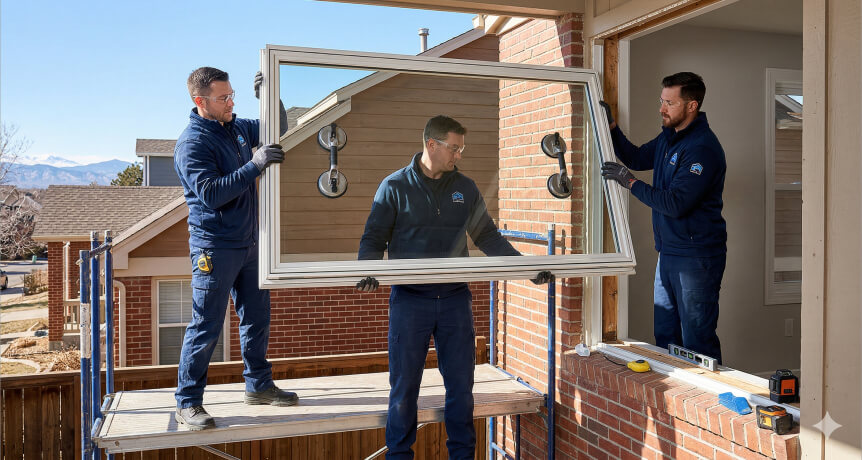
Most good installs follow a pretty clear rhythm. Out with the old, check the opening, fit the new unit, seal it up, then walk through the final result.
1. Removal of the Old Unit
The old window or door comes out first so the crew can see what is really going on around the opening. This is often when hidden wear shows up.
2. Inspection of the Opening and Surrounding Area
Once the unit is removed, the crew checks framing, moisture exposure, fit, and any signs that the surrounding area needs attention before the new install goes in.
3. Fitting, Sealing, and Finishing the New Unit
The new unit is placed, adjusted, secured, and sealed. A good fit matters. Even a solid product can underperform if the install is sloppy.
4. Cleanup and Final Walkthrough
Finally, the worker should clean debris, remove old materials, and walk you through the completed job so you may test it while they are still present.
Final Checklist After the Installation Is Complete
Before the job feels done, take one slow pass through the details. A quick walkthrough at the end can help you catch small issues while the crew is still there and everything is easy to review.
After installation, check the following:
- Open and close each window or door
- Test locks, latches, and handles
- Check for even gaps around the frame
- Look at trim, caulking, and finish work
- Notice any drafts near the opening
- Check glass and hardware for scratches
- Make sure cleanup is complete
- Ask for warranty and care details
- Confirm who to call if something needs adjustment
Get Started With a Screened Window or Door Contractor in Denver
A smoother project usually starts with good planning, the right questions, and a contractor who knows what to look for before work begins.
At Team Dave Logan, we have screened window and door contractors who serve homeowners across the Denver area, so you can start with companies that have already gone through our review process.
If you are ready to compare options, check out our screened window and door pros in Denver. It is a simple way to gather three bids, compare approaches, and find a contractor that fits your project.


