A safe and reliable electrical system helps your home run smoothly every day. When something changes, such as flickering lights, unusual smells, or sudden power loss, paying attention early can make a real difference.
Knowing when an electrical issue becomes an emergency helps you act quickly, reduce risk, and protect your home, your safety, and everyone inside.
Key Summary:
Call an emergency electrician in Denver if you notice burning smells, smoke, sparks, repeated breaker trips, partial power outages, flickering lights, or electrical issues after storms or water damage. Any sign of immediate risk should be handled by a professional right away.
What Is Considered an Electrical Emergency?
An electrical emergency is any situation where a problem in your home electrical system creates an immediate risk to safety, fire, or serious property damage. These issues need professional attention right away, not to wait until regular business hours.
Many common electrical emergencies involve active heat, sparks, smoke, power loss inside the home, power surges, or damage caused by water, storms, or sudden voltage spikes. These problems can escalate quickly and become dangerous if left unchecked.
If something feels urgent or unsafe, it usually is. Electrical systems are not forgiving, and fast action often prevents bigger damage.

Signs You Should Call an Emergency Electrician Right Away
Some warning signs are easy to spot, while others are more subtle. Each of the issues below points to a serious problem inside your electrical system.
1. Power Outages Affecting Only Your Home
If your neighbors still have power but your home or part of your home is dark, the issue is likely inside your home's electrical system. This often means a wiring fault, panel issue, or failed connection.
Partial outages are especially concerning because they often point to overheating connections, loose wires, or problems inside the breaker box or electrical box.
Common red flags include:
- One side of the home is losing power while the rest works
- Outlets or lights going dead without warning
- Breakers that do not restore power when reset
These situations can create fire and shock risks and should be checked immediately.
2. Burning Smells or Smoke From Outlets or Panels
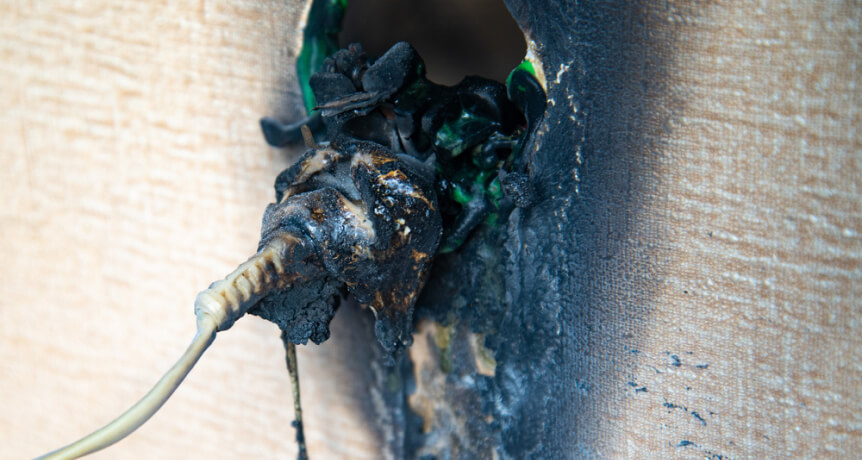
A burning smell that reminds you of melting plastic or overheated wires is one of the clearest signs of an emergency electrical situation. Smoke coming from an outlet, switch, or electrical panel usually means something inside is overheating or shorting out, which creates a serious fire risk.
These problems can escalate quickly because electrical fires often begin out of sight, behind walls or inside panels, long before flames are visible. What may start as a faint odor can turn into dangerous heat buildup in a short time.
When burning smells or smoke are present, the safest response is to contact an emergency electrician immediately so a licensed electrician can identify the source and prevent further damage. Not sure about this as it seems if there is smoke we should say call the fire department first.
3. Sparks, Buzzing, or Crackling Sounds
Seeing sparks when plugging something in or hearing buzzing and crackling from outlets or switch points, to active electrical arcing. Arcing creates intense heat and can ignite nearby materials.
These sounds and visuals mean electricity is not flowing the way it should. That creates both shock and fire risk.
Situations that signal danger include:
- Sparks jumping from outlets or plugs
- Crackling noises behind walls
- Buzzing sounds from the electrical panel
These signs call for immediate inspection by a licensed emergency electrician trained to handle urgent electrical risks safely.
4. Frequent Breaker Trips That Do Not Stop
Circuit breakers are meant to protect your home by cutting power when something goes wrong. If the same breaker keeps tripping and will not stay on, it is signaling an underlying issue that needs professional attention.
Repeated trips often point to overloaded circuits, failing components in the breaker box, or wiring problems inside the home electrical system. Trying to reset the breaker multiple times does not fix the root cause and can increase the risk of overheating or damage.
When breakers continue to trip without a clear reason, licensed emergency electricians can diagnose the issue on the spot and restore power safely before it becomes a larger safety concern.
5. Exposed or Damaged Wiring
Exposed wiring is never safe. This can happen due to aging homes, rodents, renovations, or accidental damage.
Bare wires increase the risk of shock, fire, and further system failure. Even brief contact can be dangerous.
Situations to watch for include:
- Frayed wires near outlets or fixtures
- Visible wiring in basements, garages, or crawl spaces
- Outlets that appear cracked, loose, or scorched
Fast professional repair is needed to restore safety.
6. Electrical Issues After Storms or Water Damage
Denver weather can be unpredictable. Storms, flooding, and snowmelt can introduce moisture into electrical systems, which is extremely hazardous.
Water can corrode connections, cause shorts, and increase the risk of power surges or delayed electrical failures days or weeks later.
After storms or water exposure, emergency issues may include:
- Flickering or dimming lights
- Partial power loss
- Tripping breakers with no clear cause
Electrical problems linked to water should always be handled by a professional electrician who provides emergency electrical services in the Denver metro area.
Why Waiting Can Make Electrical Problems Worse
Electrical issues rarely stay the same. When a problem starts inside your wiring, panel, or outlets, it often continues to build heat and stress on the system. What looks minor at first can turn into a serious safety hazard in a short amount of time.
Delays allow damaged components to keep operating under strain. That increases the chance of electrical fires, shock risks, and sudden power loss that affects your entire home.
Waiting can lead to:
- Higher fire risk from overheating wires or connections
- Damage to appliances, electronics, and HVAC systems
- More extensive repairs are needed once the problem spreads beyond one area
- Safety risks for people and pets inside the home
Calling an emergency electrician early often limits damage and helps restore safety before the situation grows worse.

What an Emergency Electrician Can Do for You
A licensed emergency electrician focuses on immediate safety first during emergency electrical repairs. Their role is to identify the source of the problem, stop active risks, and restore safe electrical operation as quickly as possible.
Once on site, an emergency electrician can:
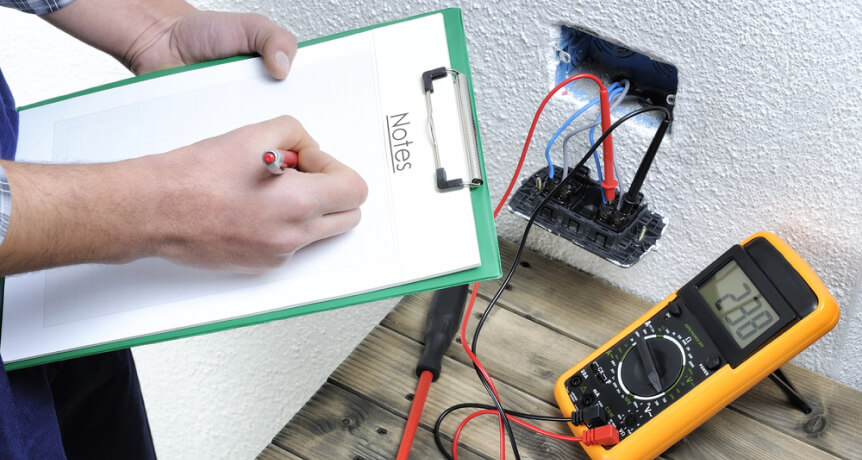
- Inspect your electrical panel, wiring, and outlets for active hazards
- Identify overheating, short circuits, or failing components
- Secure unsafe areas to prevent shock or fire risk
- Restore power where it is safe to do so
- Explain what caused the issue and what steps come next
This fast, professional response helps protect your home while giving you clear answers during a stressful situation.

Safety Tips While Waiting for an Emergency Electrician
Many Denver emergency electricians are available day and night across the Denver metro area, including nights, weekends, and holidays. They are trained to respond quickly, assess urgent electrical issues, and reduce risk as soon as they arrive.
While help is on the way, safety should remain the priority. Electrical emergencies can escalate fast, so the goal is to protect everyone in the home and avoid actions that could make the situation worse.
Keep these safety tips in mind:
- If there is an active fire or heavy smoke, evacuate immediately and call 911.
- If you smell burning plastic or see smoke from outlets or the electrical panel, leave the area and contact emergency services.
- Tingling or shock sensations when touching appliances often signal faulty wiring and should be treated as urgent.
- Persistent flickering lights or dimming lights can point to loose wires, failing wiring, or surge protection issues.
- Buzzing, popping, or crackling sounds from outlets or the electrical panel suggest dangerous internal problems.
- If it is safe to do so, turning off the main breaker can help reduce risk while waiting for help.
- Avoid resetting a breaker more than once. If it trips again, contact an emergency electrician.
- Do not tamper with the electrical panel during partial power outages. These issues should be handled by a licensed professional.
Quick, informed decisions help prevent shocks, fires, and further damage until a trained emergency electrician arrives.
How Team Dave Logan Helps You Find Trusted Emergency Electricians
Finding reliable Denver electricians during an emergency can feel overwhelming, especially when time and safety matter. Team Dave Logan exists to make that moment easier by connecting homeowners with trusted, local professionals who have already been screened.
Every electrician recommended through Team Dave Logan goes through a vetting process that looks at licensing, experience, , and business practices. This helps reduce guesswork when time matters most.
Homeowners also benefit from privacy-focused referrals. You do not need to hand over personal details or sort through endless listings to get help when an electrical emergency happens.
By relying on a trusted local network of licensed emergency electricians, Team Dave Logan helps Denver homeowners access reliable service quickly when emergency electrical issues cannot wait.

Conclusion
Electrical emergencies can happen without warning, and knowing when to act helps protect your home and everyone in it. Warning signs like burning smells, sparks, repeated breaker trips, partial power outages, and storm-related issues all point to problems that need immediate professional attention.
When something feels unsafe, fast and qualified help matters. Emergency electricians are trained to identify risks quickly and restore power safely before damage escalates.
If you need a trusted emergency electrician contractor in Denver, Team Dave Logan can connect you with vetted professionals who meet strict standards for licensing, insurance, reputation, and quality of work.


