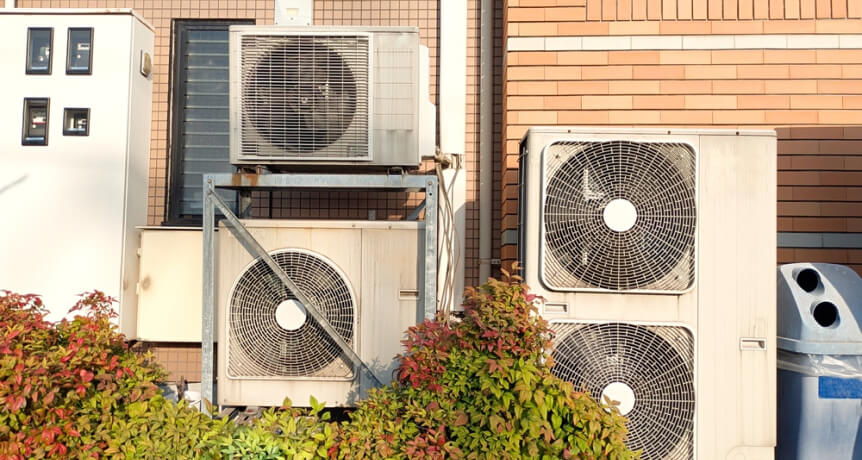
Repairing your AC can make sense when one part has failed, the system has been dependable, and the rest of the equipment still looks healthy. Replacement starts to make more sense when major components are wearing out, repair bills keep returning, or the unit no longer keeps the house comfortable.
The unit’s age matters, but it is only one clue. ENERGY STAR recommends evaluating air conditioners once they pass 10 years. That is a reason for a closer inspection, not an automatic replacement date.
Key Takeaways:
- Small, isolated failures can still be worth repairing.
- Major component problems and repeat service calls change the math.
- After 10 years, condition and performance matter more than age alone.
- A new system only performs well when sizing, airflow, ductwork, and refrigerant charge are right.

When AC Repair Makes Sense
Repair may be the right call when the fault is clear, the system was running well beforehand, and the rest of the unit is still in decent shape.
This is where a proper diagnosis matters. A bad capacitor can stop an AC cold and still be a straightforward fix. A failed compressor leads to a very different conversation.
Repair may be reasonable when:
- A small component failed. Capacitors, contactors, thermostats, relays, drain switches, and some motors can wear out while the rest of the system remains sound.
- The unit has been reliable. One service call does not carry the same weight as several breakdowns across consecutive summers.
- Comfort was good before the failure. If the house cooled evenly and electric bills stayed steady, a focused repair may bring the system back to normal.
- The failed part has warranty coverage. A covered compressor or coil can change the math, though labor, refrigerant, and related materials may still cost extra.
- An R-22 system needs a small electrical fix. Older refrigerant does not make every repair a poor choice. A modest repair may still provide useful service life.
When AC Replacement Is the Better Option
Replacement deserves a serious look when the system needs expensive work, breaks down repeatedly, or keeps losing ground on comfort and efficiency.
At that point, the question is not just how much today’s repair costs. It is how much confidence the repair buys you.
Replacement may be the better move when:
- The compressor or a major coil has failed. These repairs can carry high parts, labor, and refrigerant costs.
- Repair calls keep returning. Replacing one worn component after another can drain money without restoring long-term reliability.
- Cooling performance has slipped. Long run times, warm rooms, poor humidity control, and rising energy use may point to wider system decline.
- An older R-22 unit has a major leak. A small electrical repair may still make sense. A large refrigerant loss, compressor failure, or repair requiring a substantial recharge is harder to justify.
- Several major parts show wear. A new compressor will not solve a deteriorating coil, aging blower, corroded cabinet, and failing controls.
Factors to Consider Before Deciding
Examining the entire system leads to a wise choice. The discussion should include information about age, diagnosis, repair history, warranty coverage, duct condition, and running costs.
Age of the System
The average lifespan of a central air conditioner is between ten and twenty years. Climate, everyday use, maintenance, and installation quality can all affect that figure.
ENERGY STAR recommends having HVAC equipment evaluated after 10 years, especially when comfort drops or repair calls become more frequent.
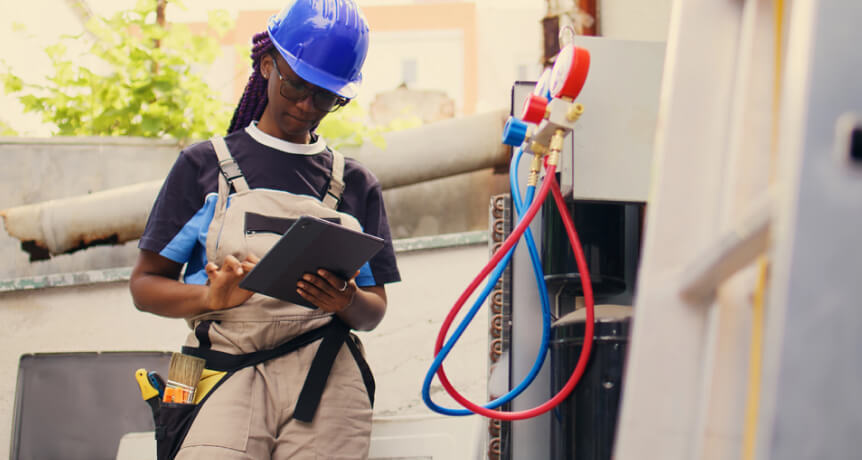
When one of our screened contractors inspects an older AC, several details matter:
- Has the system received regular maintenance?
- Has refrigerant been added more than once?
- Does the home still cool evenly?
- Are major parts under warranty?
- Is there visible rust, corrosion, or wear across several components?
An eight-year-old system with inadequate airflow and frequent breakdowns might not have as much life left as a solid twelve-year-old one.
Repair Costs
The 50% rule gives homeowners a useful reference point. If the repair cost is close to half the price of a new system and the AC is already aging, replacement deserves a serious look.
That does not make the rule automatic.
A high repair bill on a younger unit may still be reasonable when the part is covered and the rest of the system is in good shape. On an older AC with several past repairs, the same bill can be harder to justify.
Compare the current estimate with recent repair spending, the full replacement cost, and the amount of service life the repair is likely to add.
Energy Efficiency
Compared to more recent systems, older equipment could have a lower efficiency rating. Quieter operation, more consistent cooling, improved humidity control, and reduced energy use are all possible benefits of replacement.
But a new unit does not guarantee lower bills.
ENERGY STAR warns that poor installation can reduce HVAC efficiency by up to 30%. Sizing, airflow, refrigerant charge, and duct performance may matter more than choosing the highest rating on the sales sheet.
A high-efficiency condenser connected to restricted ductwork can still disappoint.
Frequency of Breakdowns
One failed part is an isolated repair. Several failures across two or three cooling seasons point to a pattern.
Look back through prior invoices and check:
- Which parts failed.
- How much each repair cost.
- If refrigerant was added.
- If the same symptom returned.
- Which major components remain original.
Attention should be paid to refrigerant additions that occur often. During regular operation, refrigerant does not vanish. A low charge may indicate a leak that still needs to be located.
Ductwork and Airflow
Weak airflow, uneven temperatures, and high electric bills do not always mean the AC itself is done.
According to ENERGY STAR, leaks, holes, and bad connections can allow 20% to 30% of the air passing through household ducts to escape.
Before replacing the system, ask the contractor to inspect:
- Supply and return airflow.
- Static pressure.
- Duct connections.
- Filter and coil condition.
- Blower performance.
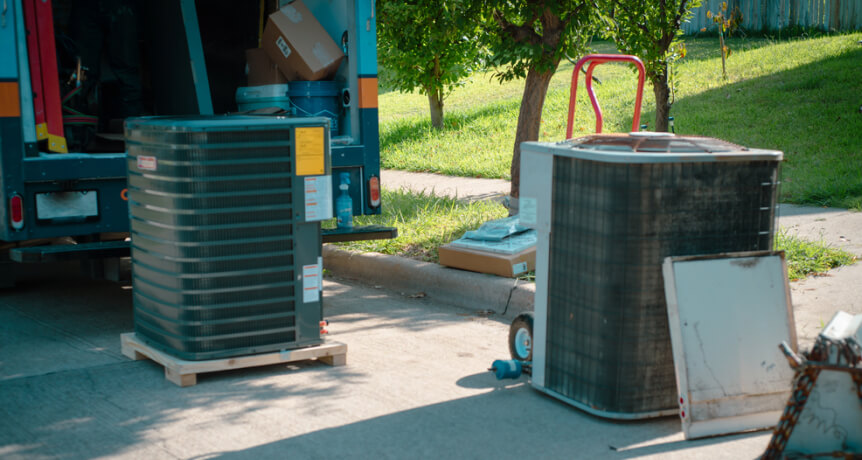
A new outdoor unit cannot repair a crushed flex duct, disconnected attic run, or undersized return.
AC Repair vs. Replacement Comparison
This table can help organize the decision, but no single row should settle it.
| Factor | Repair may make sense | Replacement may make sense |
|---|---|---|
| Age | The system is younger and has been reliable. | The system is older and showing several signs of decline. |
| Failed part | A minor electrical or mechanical component failed. | The compressor, coil, or several major parts failed. |
| Repair history | This is the first meaningful repair. | Breakdowns have become a recurring problem. |
| Comfort | The house cooled well before the failure. | Rooms stay warm or humidity remains high. |
| Refrigerant | An older unit needs a small non-refrigerant repair. | An R-22 system needs major leak or compressor work. |
| Warranty | Useful parts coverage remains. | Major warranties have expired. |
Questions to Ask Before Hiring an HVAC Contractor
A good estimate should tell you what failed, how the technician confirmed it, and what the proposed work is expected to solve.
Ask:
- What part failed, and how did you test it?
- Is this the source of the problem or a symptom of something else?
- What does the repair estimate include?
- Did you check airflow, ductwork, refrigerant charge, and coil condition?
- If replacement is recommended, will you complete a load calculation?
- What parts, labor, and installation warranties are included?
Be cautious when the conversation moves from “your AC is old” to a replacement quote without a clear diagnosis.

Find Local AC Repair and Replacement Contractors
Some AC problems are worth repairing. Others are signs that the system is starting to cost more than it is worth.
A clear diagnosis should come first. That means checking the failed part, the condition of the rest of the system, past repair history, airflow, and overall cooling performance.
Team Dave Logan helps Colorado homeowners find screened heating and cooling contractors across the Front Range. Member companies complete an annual screening process, so homeowners have a stronger starting point when comparing repair options, replacement quotes, or second opinions.
Check Team Dave Logan’s screened HVAC contractor directory to find a trusted local contractor near you.



