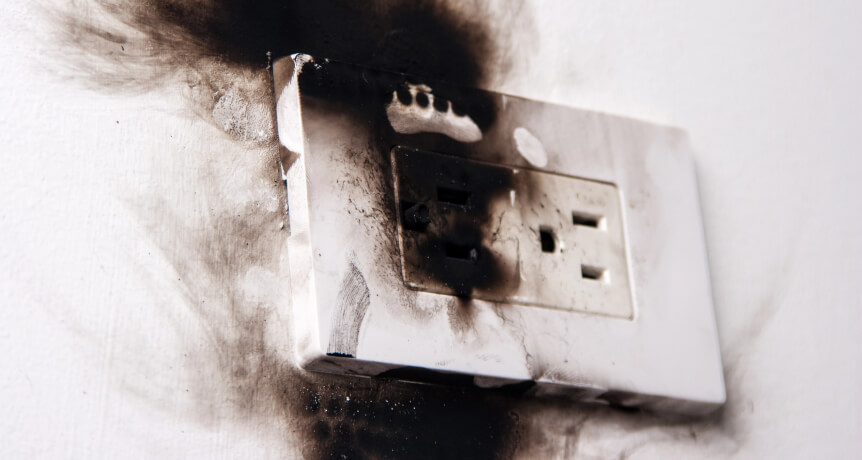
Keeping your home safe and comfortable starts with reliable electrical systems. Denver contractors see every day how small electrical issues can turn into serious problems when they are overlooked. Even in well-maintained homes, worn cords, aging outlets, or overloaded systems can create real risk.
CDC data shows that electrical injuries and shocks still send thousands of people to emergency rooms each year, often tied to improper appliance use, damaged cords, or unqualified electrical work. That is why smart electrical safety habits matter year-round in Denver homes.
Key Summary:
Denver contractors recommend focusing on seasonal electrical safety, routine inspections, and early warning signs like warm outlets or frequent breaker trips. Cold winters and summer storms place added strain on home electrical systems, especially in older homes.

Why Electrical Safety Is Especially Important in Denver Homes
Denver’s climate puts steady pressure on home electrical systems. Cold winters drive heavy heater and appliance use, while summer storms bring lightning and power surges that can stress panels and wiring. Homes across the Front Range often deal with rapid temperature swings that cause materials to expand and contract, which can loosen connections over time.
Local electrician contractors also work in many older homes built long before modern electrical demands became normal. These systems were not designed for today’s appliances, home offices, EV chargers, or upgraded HVAC equipment. That gap between original design and current use is where many safety concerns begin.
Seasonal data helps explain the risk. According to the National Fire Protection Association, about 3 in 10 fires, roughly 30%, involving electrical failure or malfunction occur during the cold weather months from November through February.
Increased load on electrical systems during winter is one reason licensed inspections and safe usage habits matter so much in Denver.
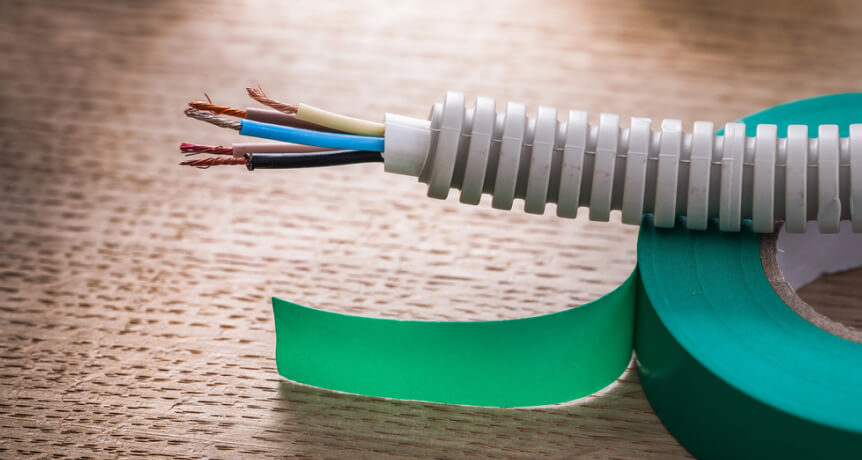
Basic Electrical Safety Rules Every Homeowner Should Follow
Good electrical safety does not require technical knowledge. It comes from understanding how homes are actually used in Denver and respecting the limits of the system.
1. Respect the Limits of Your Electrical Panel
Contractors often find panels that are operating near capacity, especially in homes with added appliances or finished basements. When a system is pushed beyond what it was designed to handle, breakers trip more often, and wiring runs hotter than it should.
Knowing your panel’s capacity and planning upgrades when your home’s needs grow helps reduce long-term risk.
2. Pay Attention to Heat, Smell, and Sound
Electricians rely on simple sensory warning signs during service calls. Warm outlets, faint burning smells, buzzing from switches, or lights that flicker under normal use can all point to underlying issues.
These signals often appear before visible damage and should never be ignored in Denver homes.
3. Use Appliances With Placement in Mind
In many Denver houses, outlets near garages, mudrooms, and exterior walls see heavier use during winter. Contractors frequently notice cords pinched by doors, outlets stressed by space heaters, or power strips placed too close to moisture sources.
Appliance placement plays a bigger role in safety than many homeowners realize.
4. Protect Your Home From Power Surges
Colorado’s storm activity makes surge protection especially relevant. Electricians see damage after summer lightning events and winter grid fluctuations, even when outages are brief.
Whole home surge protection helps shield sensitive electronics and reduces strain on internal wiring during voltage spikes.
5. Schedule Routine Electrical Inspections
Routine inspections are not about finding faults. They are about confirming that everything is working as intended. Local contractors often catch loose connections, aging components, or code issues early, before they become expensive or dangerous.
This is especially valuable for homes built before modern electrical standards were common.

Electrical Safety Tips for Denver Homes
Electrical safety in Denver shifts with the seasons. Winter places the heaviest load on home electrical systems as heaters, humidifiers, and indoor lighting run longer hours.
Contractors often see issues appear after the first deep freeze, when older connections tighten and loosen repeatedly with temperature changes. This is also when small weaknesses in panels or outlets tend to show up.
Summer brings a different set of concerns. Thunderstorms and lightning can cause brief surges that stress wiring and electronics, even if power never fully goes out.
Outdoor outlets, garages, and basements also see more use during warmer months, which makes proper grounding and moisture protection especially important. Seasonal awareness helps homeowners stay ahead of problems instead of reacting to them.
Signs Your Home May Have an Electrical Problem
Many electrical issues give early warnings before they turn serious. Paying attention to these signs can help prevent damage or safety risks.
- Lights that flicker or dim during normal use
- Outlets or switches that feel warm to the touch
- Burning or metallic smells near outlets or panels
- Buzzing, popping, or crackling sounds from walls or fixtures
- Breakers that trip repeatedly without a clear cause
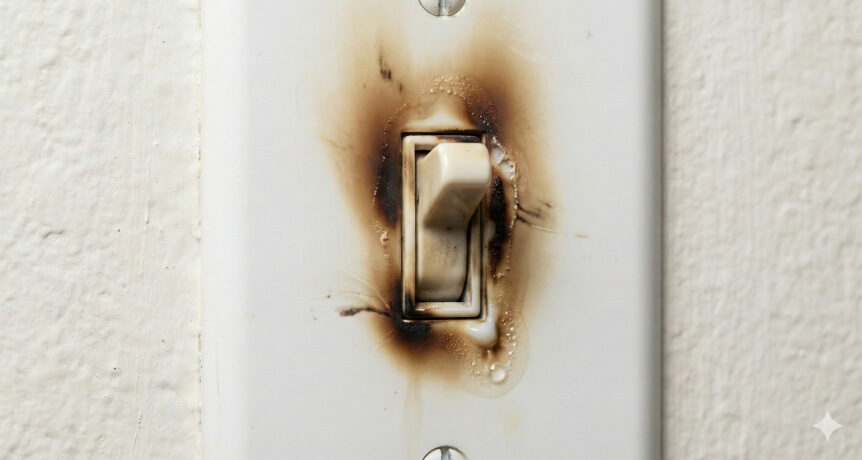
- Discolored outlets, switch plates, or scorch marks

Inspection and Maintenance Tips from Local Electricians
Routine electrical maintenance helps confirm that your system is keeping up with how your home is used today.
- Schedule professional inspections, especially for homes built before modern electrical codes
- Have panels checked for loose connections, corrosion, or outdated components
- Confirm that outdoor, garage, kitchen, and bathroom outlets are properly protected
- Review surge protection options that fit Denver’s storm patterns
- Ask electricians to document findings so future service stays consistent
When to Call a Licensed Electrician
Some electrical issues need professional attention right away. Licensed electricians are trained to spot problems safely and recommend fixes that match your home’s age, layout, and electrical demand. Calling early often helps limit damage and keeps repair costs under control.
Denver homeowners must call an electrician when installing an EV charging station. These changes power demand and how power moves through the electrical systems. These projects often require panel checks, dedicated circuits, and work that meets local code, so the added load is handled safely.
You should contact a licensed electrician if you notice warning signs, plan upgrades, or experience changes in how your system behaves. This includes:
- Breakers that trip right after being reset
- Burning smells, sparks, or visible damage
- Charging changes in EV chargers
- Adding major appliances or upgrading equipment
- Electrical issues after storms or power disruptions
Working with a licensed professional helps keep your home safe, dependable, and ready for Denver’s changing seasons.
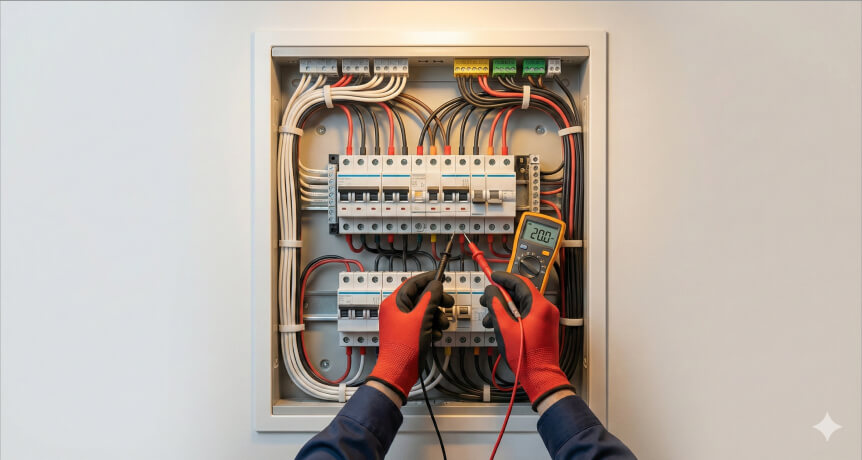
How to Find an Electrician You Can Trust in Denver
Finding the right electrician in Denver comes down to more than availability. The best professionals understand local building codes, seasonal demands, and the realities of working in both older and newer homes across the Front Range. Trust is built through transparency, consistency, and a clear commitment to safety.
When evaluating electricians, homeowners should look for a few key markers of reliability.
- Active licensing and proper insurance coverage
- Clear explanations of recommended work and why it matters
- Experience with Denver area homes and weather-related challenges
- A track record of positive local reviews and referrals
- Willingness to stand behind their work with warranties or follow-up support
Work With Screened Electrical Contractors You Can Rely On
Even when you know what to look for, finding a dependable electrician can still feel overwhelming. Between online listings, ads, and referrals, it is not always easy to know who truly meets professional standards and who does not.
That is where Team Dave Logan comes in. At Team Dave Logan, we make it easier for homeowners to connect with screened and vetted Denver electricians who meet strict requirements for licensing, insurance, and business practices.
Every company on our team goes through a thorough screening process, so you can feel confident that the work is handled safely, responsibly, and correctly. It is a simple next step for homeowners who want peace of mind without spending hours researching on their own.
Conclusion
From recognizing warning signs to scheduling inspections and preparing for weather-related demands, proactive steps can make a meaningful difference in protecting your home and family.
When the time comes to hire help, working with trusted electrician contractors removes uncertainty from the process. Team Dave Logan is here to help you find screened local professionals who take safety seriously and do the job right.
Explore our network of trusted pros and take the next step toward a safer, more reliable home.


